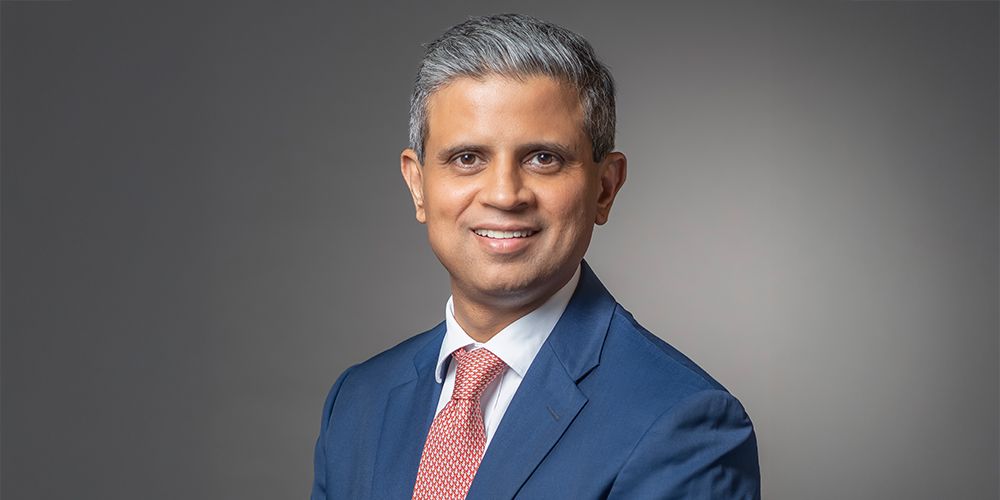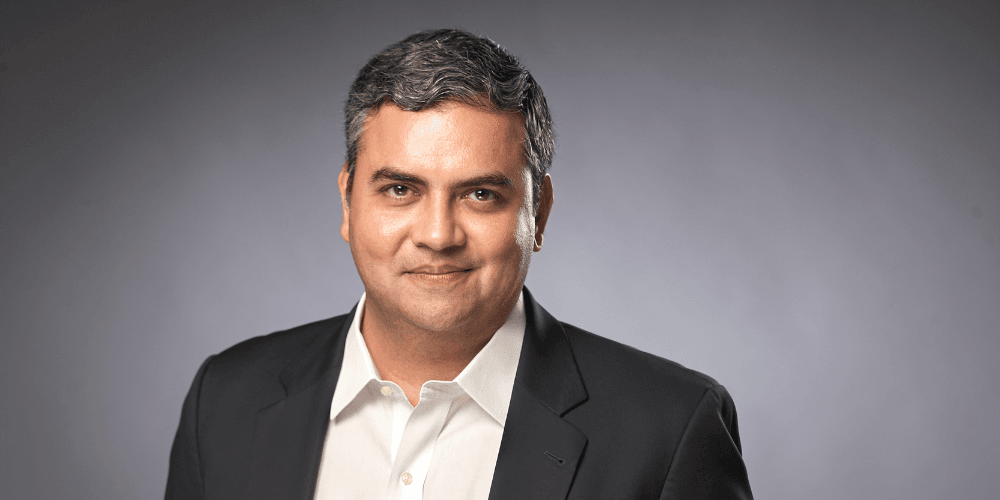


In a Fraud Awareness Week special for MediaBrief, Ronak Sheth, Chief Marketing Officer of 360 ONE, shares how the firm balances technology with human trust, strengthens brand safety through AI and MarTech, and protects consumers from rising digital fraud. Sheth also explains how 360 ONE ensures data accuracy, maintains a single source of truth, and prepares for the future of BFSI marketing in an AI-driven, privacy-first era.
When asked how 360 ONE ensures technology doesn’t dilute the human connection or credibility that the BFSI sector is built on, Sheth says, “People today are comfortable using apps for quick actions, such as checking portfolios, making transfers, or receiving updates. But when it comes to important money decisions, they still seek clarity, reassurance, and human guidance.”
He explains how the organisation maintains this critical balance. “At 360 ONE, technology helps us deliver information quickly and simply, but the relationship itself remains personal,” Sheth adds.
Their approach focuses on strategic integration rather than replacement. “Our teams stay at the heart of every key conversation, while digital tools handle speed, accuracy, and convenience,” Sheth notes. “This balance ensures we stay high-tech without losing the warmth, trust, and judgment that only people can offer.”
Leveraging AI and MarTech for brand safety
Discussing how his team uses AI and MarTech to make campaigns smarter and more efficient while preventing digital communication from being misused or linked to fraudulent ads, Sheth says, “AI and MarTech give us better control over our digital communication. These tools help us see exactly where our ads are appearing, whether the platforms are safe, and whether the targeting is correct.”
The technology also acts as an early warning system. “They also flag unusual activity, such as someone trying to use our name or logo in places we haven’t approved,” Sheth adds.
Beyond technology, the organisation maintains rigorous partnership standards. “Alongside this, we work only with verified partners and run all campaigns through authorised channels. This adds a layer of discipline and reduces the chances of misuse,” he explains. “It helps us keep our brand safe, clear, and consistent across all platforms.”
Protecting consumers from fraudulent digital communication
Addressing how 360 ONE ensures its digital communication isn’t misused in an environment where consumer trust is everything and fraudulent ads can cause real harm, Sheth observes, “Fraud has increased sharply — fake WhatsApp groups, cloned websites, misleading messages, and even impersonation of leadership have become common.”
The organisation tackles this threat with a multi-pronged strategy. “We tackle this with a structured, ongoing approach,” Sheth says. Measures include monitoring channels for fake accounts or look-alike websites, issuing regular advisories with verified contact details and reminders to the public to not fall into the trap of “guaranteed return” schemes, and maintaining a dedicated helpline that enables anyone to verify the legitimacy of an offer.
Ensuring campaign integrity in performance marketing
Speaking about the growing concern of ad fraud in performance marketing and the checks or tools 360 ONE relies on to ensure campaign integrity, Sheth explains, “We don’t advertise heavily, but when we do, we rely on specialist partners who track fake clicks, bot traffic, and suspicious leads.”
The approach prioritises swift action. “If something looks off, it’s flagged immediately, and the campaign is paused,” Sheth adds. “This ensures our budgets reach real people, not bots or click farms.”
Maintaining data accuracy and compliance internally
On using MarTech to keep internal marketing systems transparent, compliant, and fraud-free, Sheth says, “We follow strict security practices across all data systems. Information is encrypted, access is tightly controlled, and every change leaves a clear audit trail.”
Technology helps minimise human error. “Automated reporting and consent management reduce manual errors and add another layer of safety,” he notes. “This approach keeps our data accurate, protected, and fully compliant with regulatory standards.”
Establishing a single source of truth
Explaining how 360 ONE maintains clarity across multiple MarTech platforms, data sources, and agency partners, Sheth says, “Our core Customer Information Data Centre is the backbone of our data ecosystem. It is the single, verified source of all official client information. Every system — marketing, service, analytics, reporting — pulls data from here.”
The organisation also employs unified visualisation tools. “We also maintain a unified dashboard that shows campaign performance, website activity, and client interactions in one place,” Sheth adds. “This avoids confusion, reduces duplication, and helps the entire organisation make confident, aligned decisions.”
The role of conversational AI in customer engagement
Commenting on whether chatbots and voice interfaces are becoming the new frontline for customer trust and engagement, especially as many BFSI brands experiment with conversational AI and voice-led journeys, Sheth says, “Chatbots and voice tools are useful for quick answers or simple navigation. But we keep them within clear boundaries — they do not seek personal financial details. They are meant to guide, not replace people.”
For critical interactions, the human element remains central. “For any detailed discussion or decision, clients still speak with their relationship managers,” he notes. “Trust continues to come from human interaction.”
The future of BFSI marketing in India
Reflecting on how MarTech will shape the future of BFSI marketing in India as AI becomes more sophisticated and privacy norms tighten, Sheth observes, “The future will need both smarter technology and stronger trust. AI may help spot fraud faster, personalise engagement, and understand client needs better. Privacy rules will make brands more transparent and responsible.”
He concludes with an optimistic vision for the industry’s direction. “What excites me is that marketing is evolving beyond selling to helping clients make informed choices and protecting them in a rapidly changing digital world.”