

RIGHT TIME, RIGHT ASSET
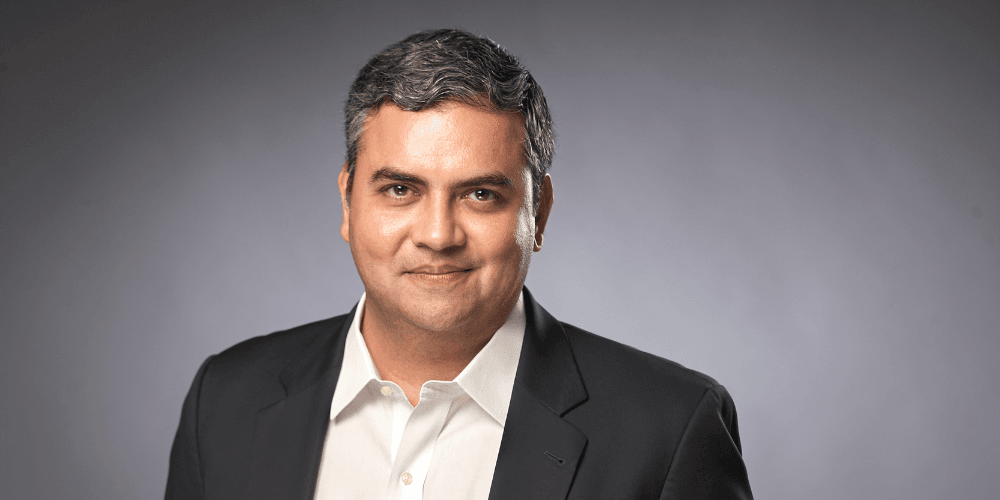
While a secondary transaction can happen any time in a growth stage company, Indian direct secondaries funds are aimed at maximising the returns from the robust public market. “The macro challenge is exits and liquidity'. The micro challenge is do you hold on to your winners or do you defer? And it’s not easy. My personal view is that too many smart VCs have held on too long and have not taken chips off the table or partial exits when they could have,” says Sameer Nath, CIO and head, PE and VC at 360 ONE Asset. He adds that the best returns can be made when an IPO is imminent within three years. “At a pre-IPO, before DRHP stage, there is more flexibility and after the DRHP is filed, it is governed by the listing norms. We started off as a classic pre-IPO investor, but have evolved into a late-stage opportunity. That is where the real alpha is,” says Nath.
The role of the secondary fund, he says, is similar to that of a late-stage PE investor, offering exits to early investors. This cleans up the cap table, absorbs the exodus of investors as soon as the lock-in period post- IPO is over and offers the founder and the management team a patient shareholder. “We get an attractive entry valuation and the funds exiting still make a healthy return,” he adds.
THE WAY AHEAD
As the Indian market matures, the number of secondary funds and their variations are only likely to increase. Secondaries are mere derivatives of the primary markets and will need time, observe industry experts. While there is precedence for secondary transactions in other South Asian markets like Singapore and Mauritius, the ecosystem in India is still new. “You will see more continuation funds, more deals in this area. We are actively studying it. If we are sitting here one year from now, the secondaries volume would have grown,” says Nath of 360 ONE Asset, adding that it is a case of glass half full in terms of a growing market for direct secondary funds